
Educational Studies at Rhodes prepares students to understand and transform education in schools and communities. Through interdisciplinary coursework, partnerships, research, advocacy, and hands-on experience in Memphis, students examine the challenges facing education and develop strategies that advance justice, democracy, and equity.
Students connect theory and research with mentored clinical field experiences in local schools and community settings. Whether they plan to become teachers, pursue another education-related profession, or advocate for change through policy, nonprofit work, law, or media, Educational Studies students graduate prepared to make a meaningful difference in the lives of learners and communities.

Academic Excellence
Students combine interdisciplinary coursework and faculty-mentored research with opportunities to present at conferences, contribute to academic publications, and connect Educational Studies with fields such as psychology, urban studies, history, English, and Spanish.

Career Readiness
Mentored field experiences in local schools help students build practical skills and prepare for careers in teaching, school leadership, counseling, psychology, therapy, education policy, law, nonprofits, and related fields.

Impact & Purpose
Grounded in justice, democracy, and equity, the program prepares educators and advocates to understand educational challenges and pursue meaningful change in schools and communities.

Community & Support
Students learn through close faculty mentorship and partnerships with Memphis-area schools and organizations, creating a supportive community that connects classroom learning with the people and places education serves.
Careers, Opportunities & Alumni Success
Educational Studies graduates apply their knowledge in classrooms, community organizations, graduate programs, and professions that shape how people learn and how educational systems serve their communities.
- Hollyn Boswell Brown ’26: A Teaching & Learning track student who also majored in Religious Studies; teaches second grade at Peabody Elementary School.
- Hope Robinson ’25: A Teaching & Learning track student who also majored in Latin American Studies; after completing a data and analytics internship with Freedom School Partners, joined Carolina Youth Coalition as a development associate.
- Maggie Emmendorfer ’24: A Policy & Social Change track graduate who is pursuing a J.D. at Villanova University.
- Sujung Hwang ’22: A Teaching & Learning track graduate who also majored in English; after earning a master’s degree in International Educational Development from Teachers College, Columbia University, became an assistant program specialist with the UNESCO Asia-Pacific Centre of Education for International Understanding.
- Complete mentored clinical field experiences in Memphis-area schools as part of the major.
- Collaborate with faculty on research, conference presentations, and academic publications.
- Pursue education-related internships and service opportunities that connect academic study with professional practice.
- Prepare for teaching and school leadership or related fields including school psychology, school counseling, occupational therapy, speech-language pathology, education policy, nonprofit work, and education law.
Shape the Future of Education
Whether you want to teach, support young people, influence education policy, or advocate for more just and equitable learning environments, Educational Studies at Rhodes can help you turn your interests into meaningful work. Tell us more about your goals and discover the path that fits your future.
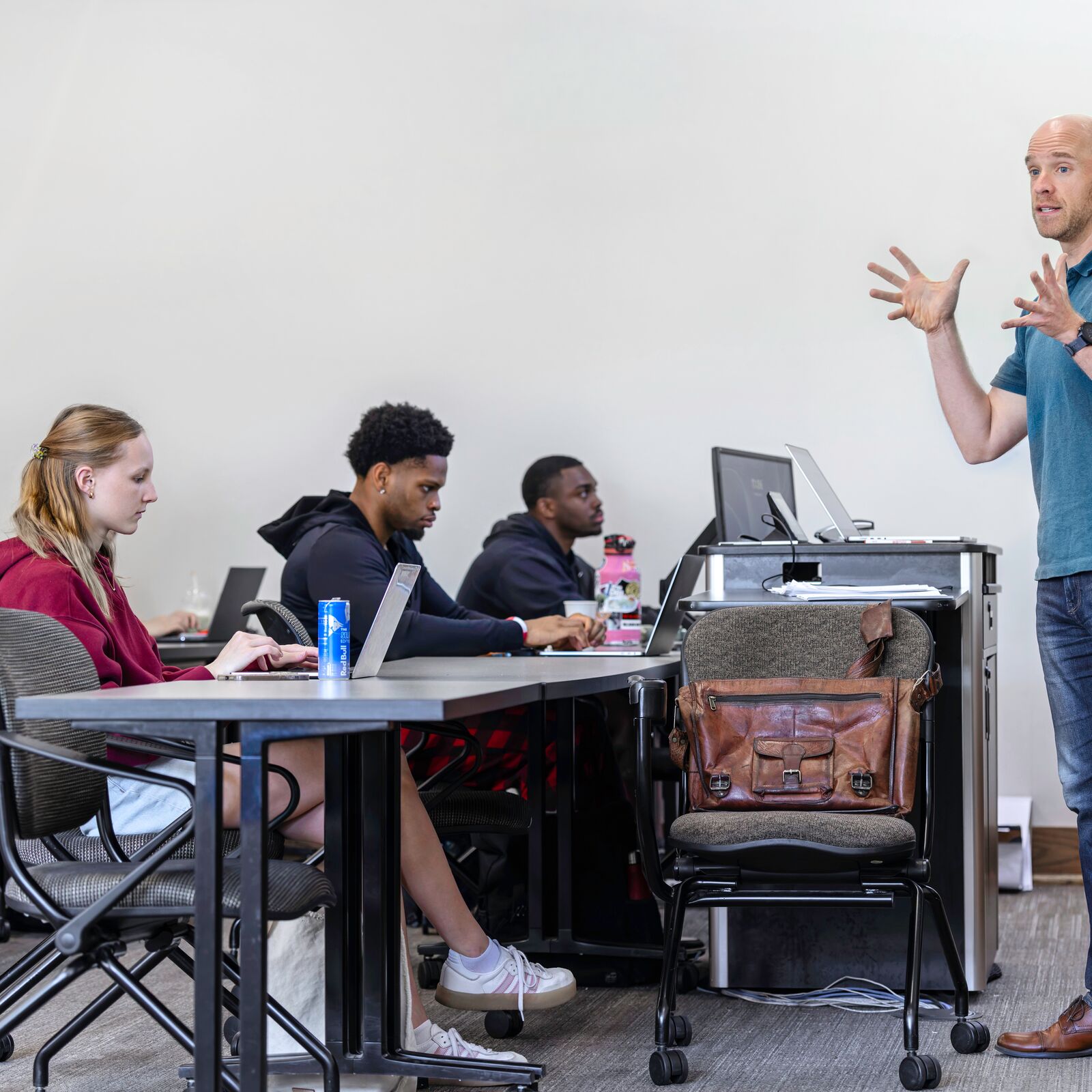
Teaching & Learning Track
The Teaching & Learning track supports students interested in entering the teaching profession or pursuing advanced study and careers as educational professionals, including roles in administration, counseling, speech-language pathology, and related fields.
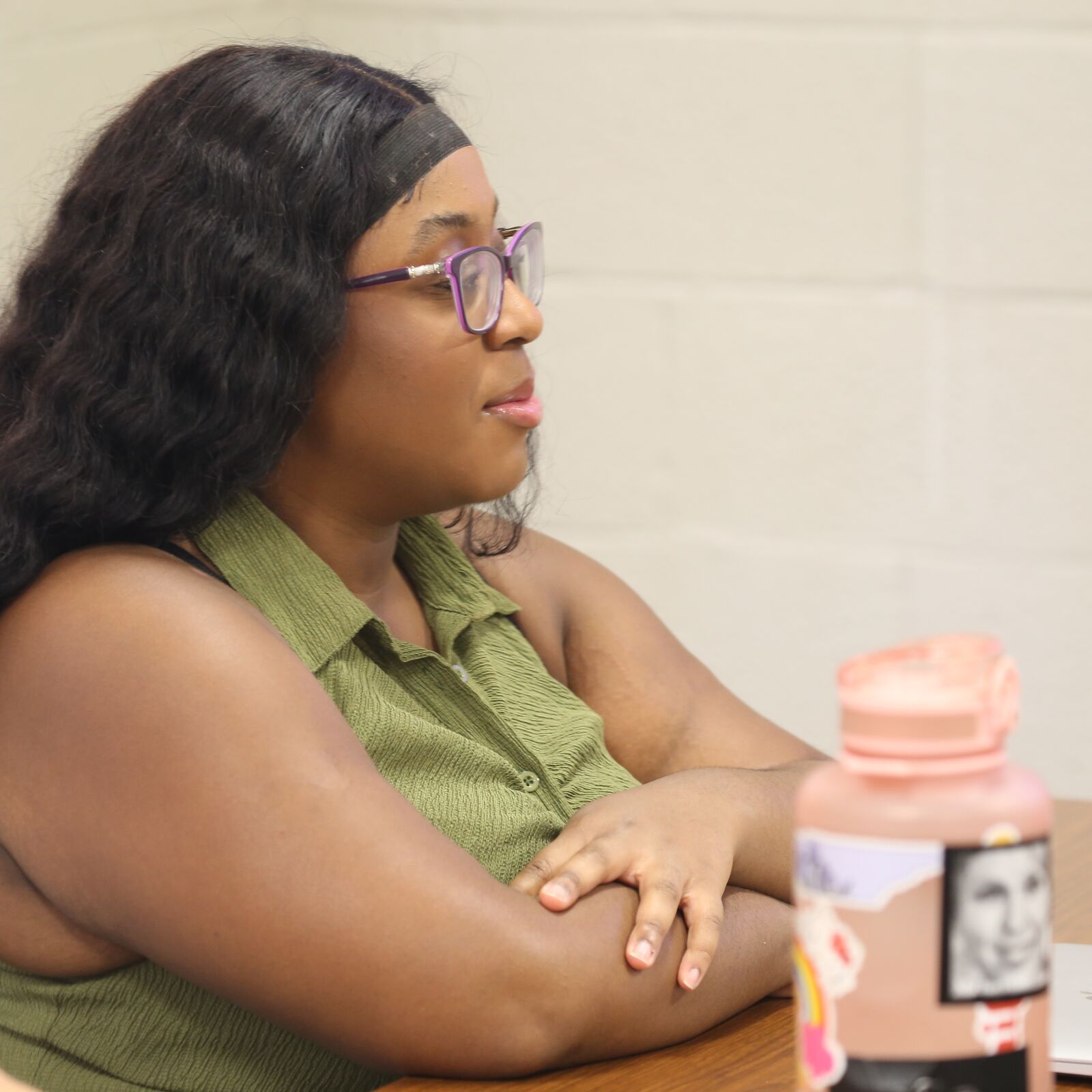
Policy & Social Change Track
The Policy & Social Change track is designed for students interested in education beyond traditional classroom settings. Students explore pressing educational and social issues at the local, national, and international levels while preparing to advocate for equity and diversity through civic education, youth development, nonprofits, media, policy, and related work.
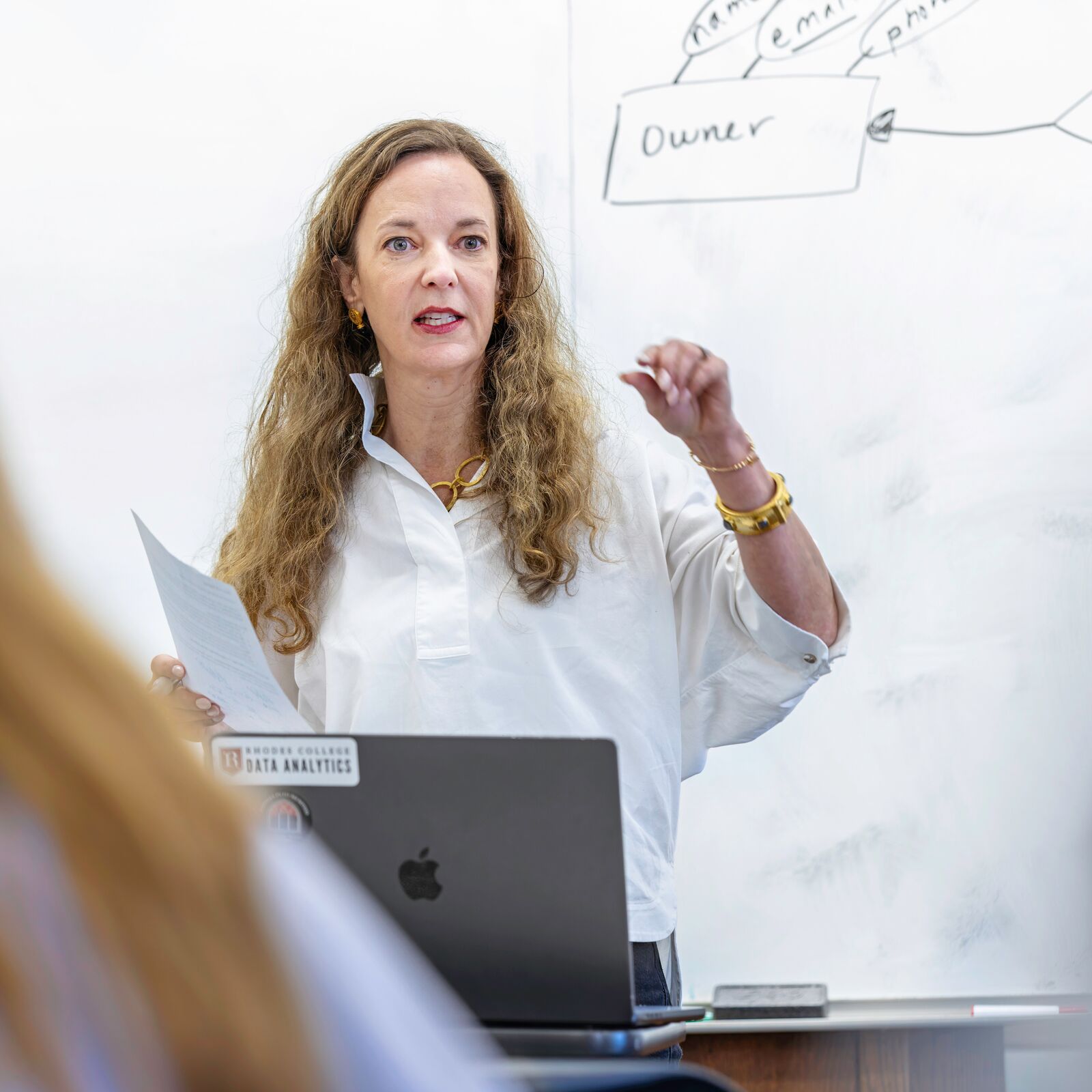
Teacher Licensure
Students in the Teaching & Learning track may pursue elementary licensure or secondary licensure in an approved endorsement area. Secondary licensure candidates also major in the discipline they plan to teach, while elementary licensure does not require a second major. Because licensure requires careful course planning and a separate application, interested students should connect with the Teacher Licensure Coordinator early in their academic career.
What Our Graduates Say
“I am very satisfied with my decision to pursue licensure at Rhodes College because I am exiting the program with a lot of experience and feeling prepared. I loved the program and the instructors. I am particularly happy that only one semester after graduating, I am able to get a full teaching position with my license.”
“I am very satisfied with my decision to pursue teacher licensure at Rhodes. It has given me lots of opportunity to have hands-on experience with teaching, which has been the most beneficial thing for me. I especially think student teaching was a necessary experience to have before going into teaching.”
Educational Studies News

Annual awards were presented at the 177th Commencement Exercises of Rhodes College held May 16 to
graduating seniors GraceAnne Hodgson, Abigail Figueroa, and Jasmine Jeffries; Prof. David McCarthy; and Richard Huddleston, the college's bursar.
graduating seniors GraceAnne Hodgson, Abigail Figueroa, and Jasmine Jeffries; Prof. David McCarthy; and Richard Huddleston, the college's bursar.

Six graduating seniors’ portraits are being added to Rhodes College’s Hall of Fame on the second floor of Southwestern Hall. The honorees are Jasmine Jeffries, Olivia Mack, Joshua Morris, Ariyana Muesse, Jude Shive, and KK Sowers.

A major reason Mitchell Leander came to Rhodes, he says, is because historically the mock trial team is the best in the country. "I am interested in law and wanted to learn what it meant to use law as a tool for advocacy.”
Faculty & Staff

Professor of Psychology; Dean for Community Engagement/Executive Director of the Turley Memphis Center