
Chemistry in Action: Elements of Discovery
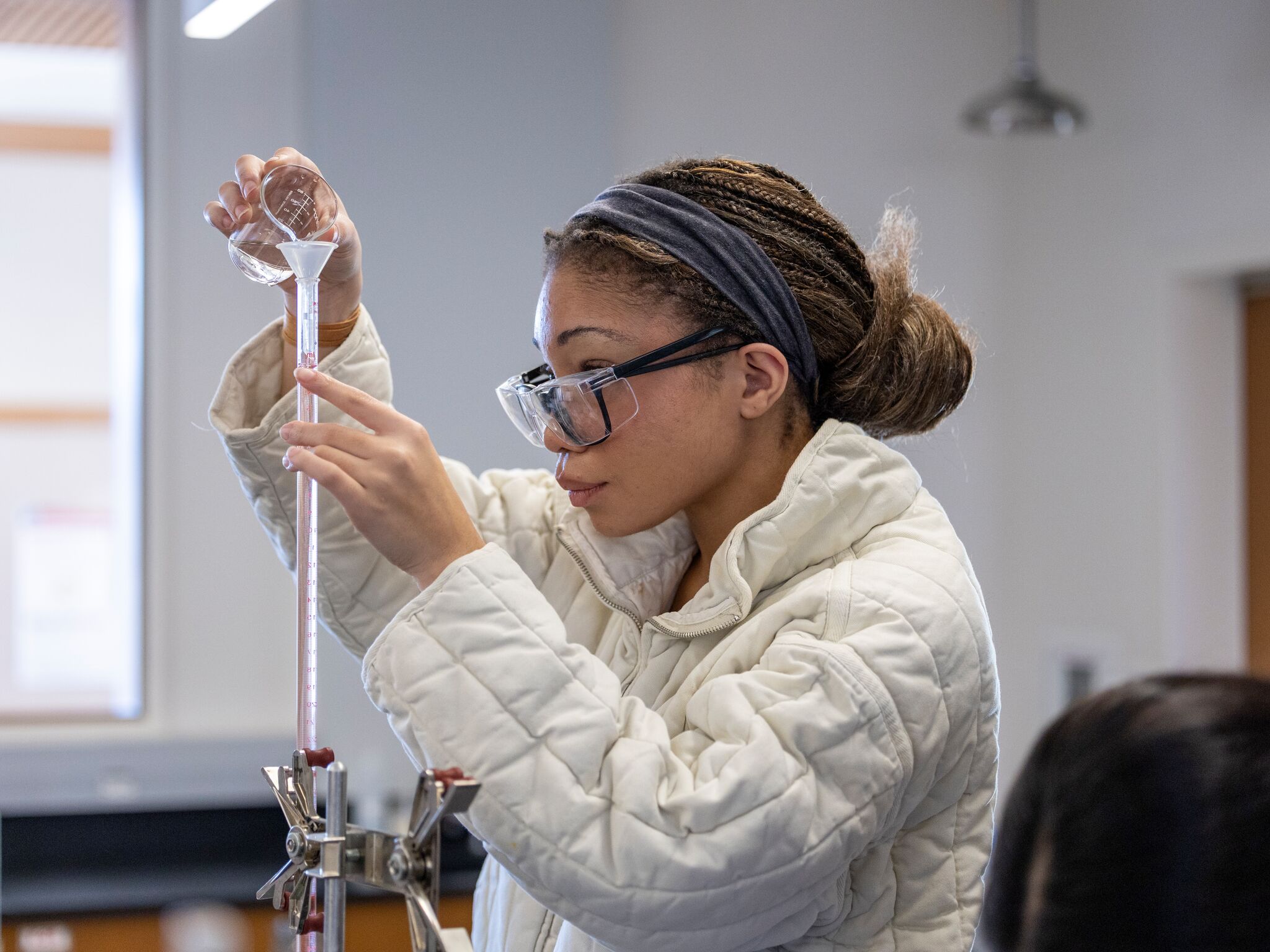
This course introduces students to many of the foundational principles of chemistry through active, hands-on learning. Each day focuses on a set of key concepts explored through a combination of lecture, discussion, problem-solving, and laboratory experiments. Morning sessions emphasize the importance of chemical principles, their applications to everyday life, and the development of critical thinking and quantitative problem-solving skills. In the afternoons, students apply these concepts through hands-on laboratory experiments, many of which are inquiry-based and encourage students to develop hypotheses, analyze data, and draw their own conclusions.
Beyond introducing students to chemistry, this course helps build the analytical, experimental, and problem-solving skills essential for success in college-level science courses and careers in fields such as chemistry, medicine, engineering, and environmental science. Students will also gain experience with laboratory techniques and scientific reasoning, providing a foundation for future studies across STEM disciplines. No previous experience in chemistry is required.
Medicine in the Ancient World
Of particular interest to those students who are curious about the growing field of medical humanities or about the health sciences and medicine more generally, this course will introduce participants to the theories and practices of ancient medicine in the West, beginning with its origins in the Near East, Egypt, and Greece and then tracing its development into Rome and beyond. Through investigation of primary source documents—both written and artistic—students will discover the beginnings of some of the most important fields of medicine, including the diagnosis and treatments of various diseases and ailments, the systematic observation and analysis of epidemics, treatments for mental health, and even early techniques within veterinary science. Special attention will also be paid to ethics and professional conduct, including oaths, the rise of specialized healing spaces—such as sanctuaries and hospitals—and controversial topics such as eugenics and infanticide.
Moving Image Art
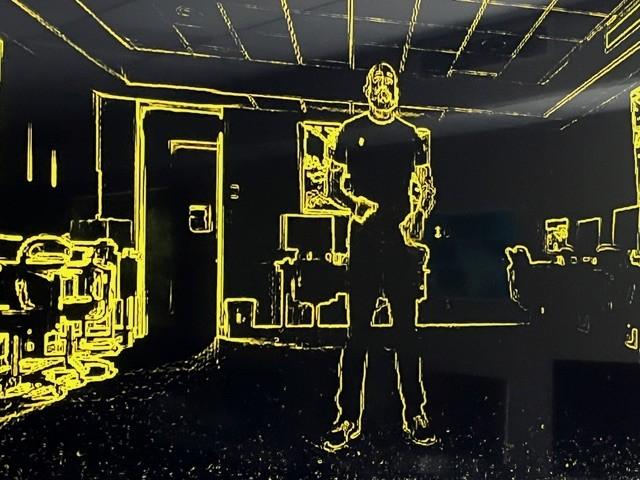
From animated GIFs to AI slop, the moving image is the art form that defines the 21st century. It's how we see ourselves, each other, and the world. In this course you'll learn to make it your own. We’ll look at the recent history of moving image art—from experimental films to video installations to YouTube oddities—then work with live-action video, 2D animation, and CGI. Students will work with the tools artists use: Adobe Premiere, After Effects, Photoshop, Blender, and TouchDesigner. No prior experience necessary, just curiosity and the urge to experiment. The course concludes with each student creating their own short moving image artwork.
Ordinary, Extraordinary Economics
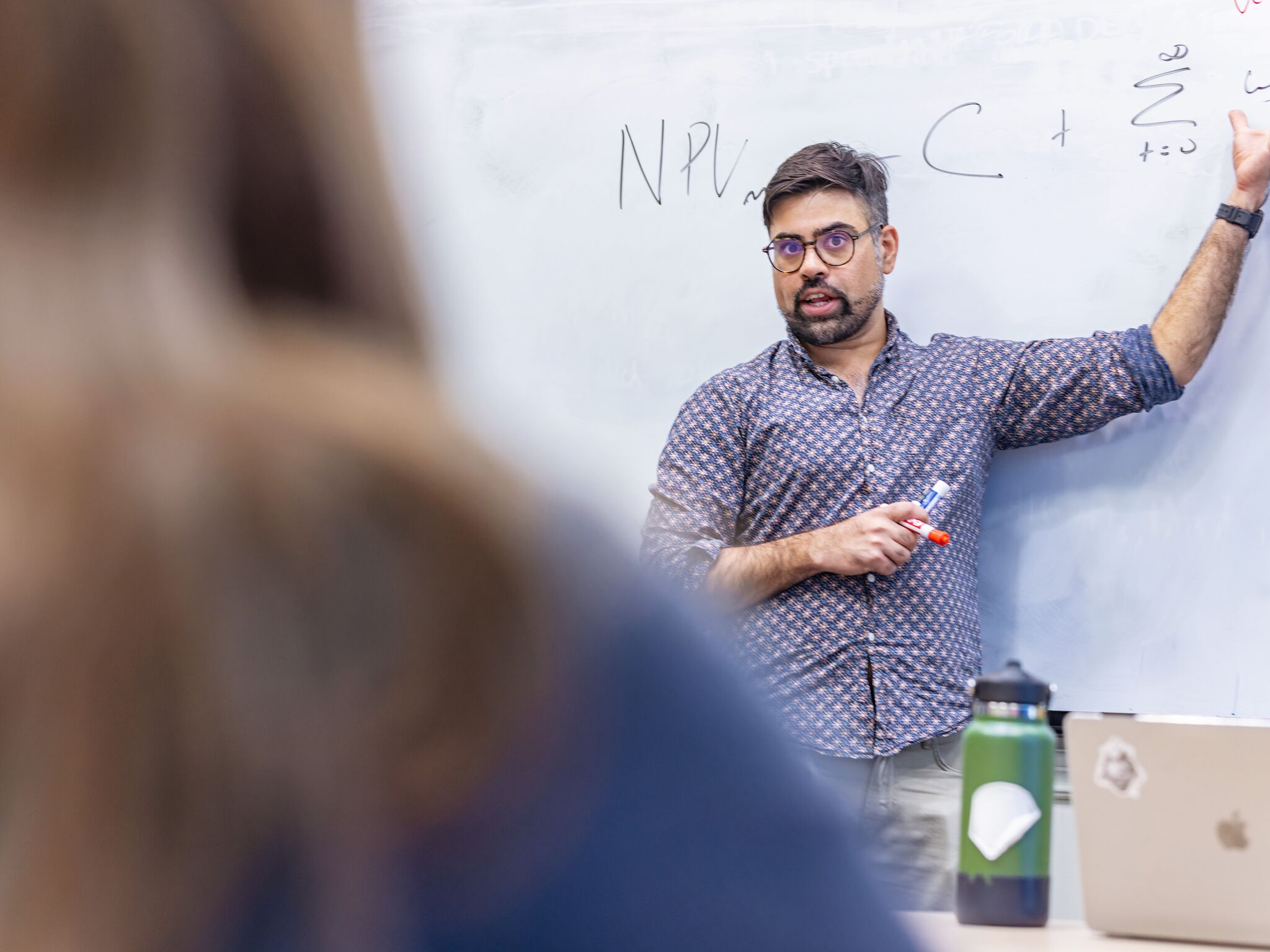
Economics is everywhere—all around us and sometimes hidden in the most surprising and unexpected places. This course investigates the fundamental economic principles at work in ordinary life and shows how they provide an extraordinary set of tools for asking questions and telling stories about the world around us. Through topics such as cost/benefit analysis, comparative advantage, the sunk cost fallacy, and externalities, students will develop a new framework for analyzing everyday choices, exploring how individuals interact, and reconciling seemingly puzzling outcomes. They will question assumptions and reexamine familiar situations, uncovering the economic forces operating beneath the surface of the ordinary. No prior economics knowledge is required.
Personal Genetics
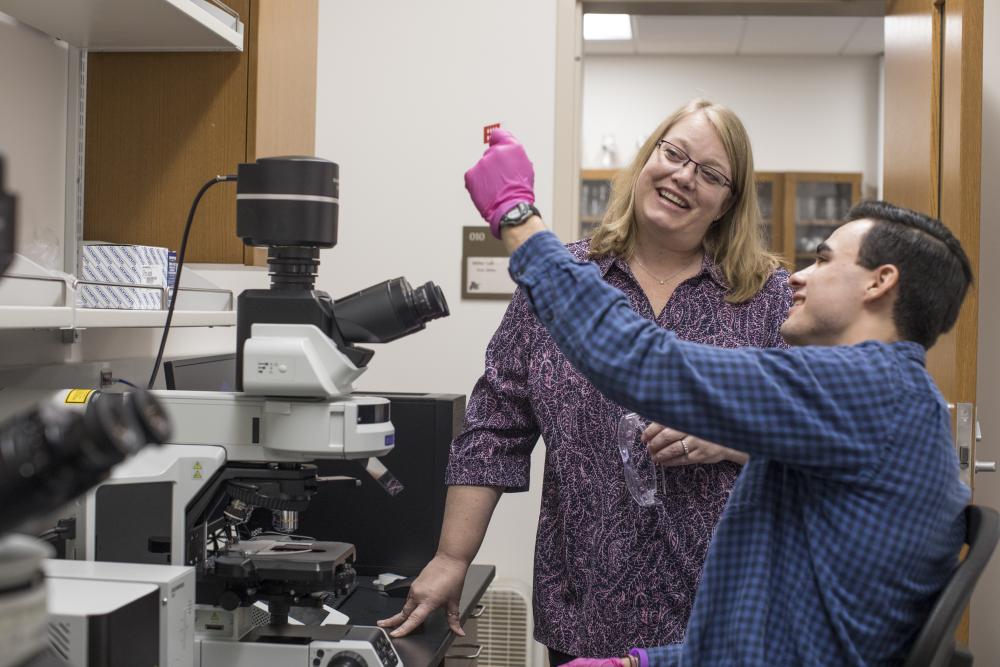
This course is designed to teach through active learning many of the foundational principles of genetics, with a focus on personal genetics—for example, interpreting what results from an individual genetic test mean or understanding family connections through ancestry studies. Each day, we will have a target set of concepts to address, and every class period will involve a mixture of lecture, discussion, and problem solving. Mornings will be spent in laying out the importance of each topic, its applications to everyday life, and the solving of problems associated with those concepts. In the afternoons, each lab is designed to allow students to explore further the topics from the morning class through a hands-on approach. Most of the labs are designed to be inquiry-based, allowing students to arrive at their own conclusions. No previous experience in biology or genetics is required.
The Art of the Video Essay: YouTube, Rhetoric, and Digital Storytelling
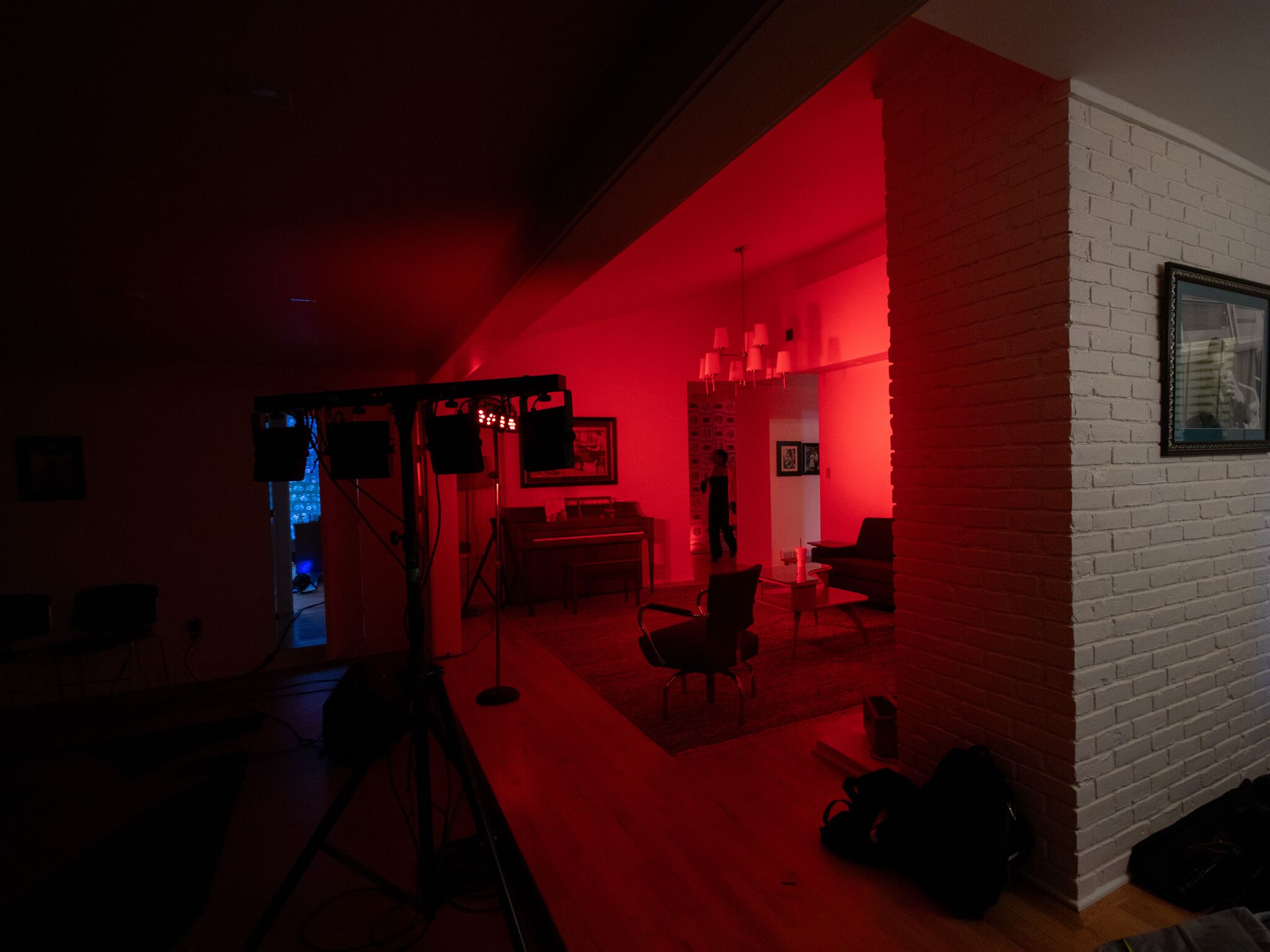
How do YouTubers turn everyday interests, pop culture, and social issues into compelling arguments? In this course, students will explore the art of the video essay by studying popular creators and discovering how storytelling, research, visuals, sound, editing, and rhetoric shape powerful ideas. We’ll investigate what makes an argument persuasive, how images and sound shape meaning, and how creators develop distinctive voices and perspectives.
Through hands-on workshops, students will learn the basics of research, scriptwriting, video production, and editing to create an original video essay on a topic they care about. The course wraps up with a screening of student work, celebrating the many ways digital media can tell stories, challenge perspectives, and persuade audiences. No previous video experience is needed—just curiosity, creativity, and something to say!