
Rhodes Summer Academy
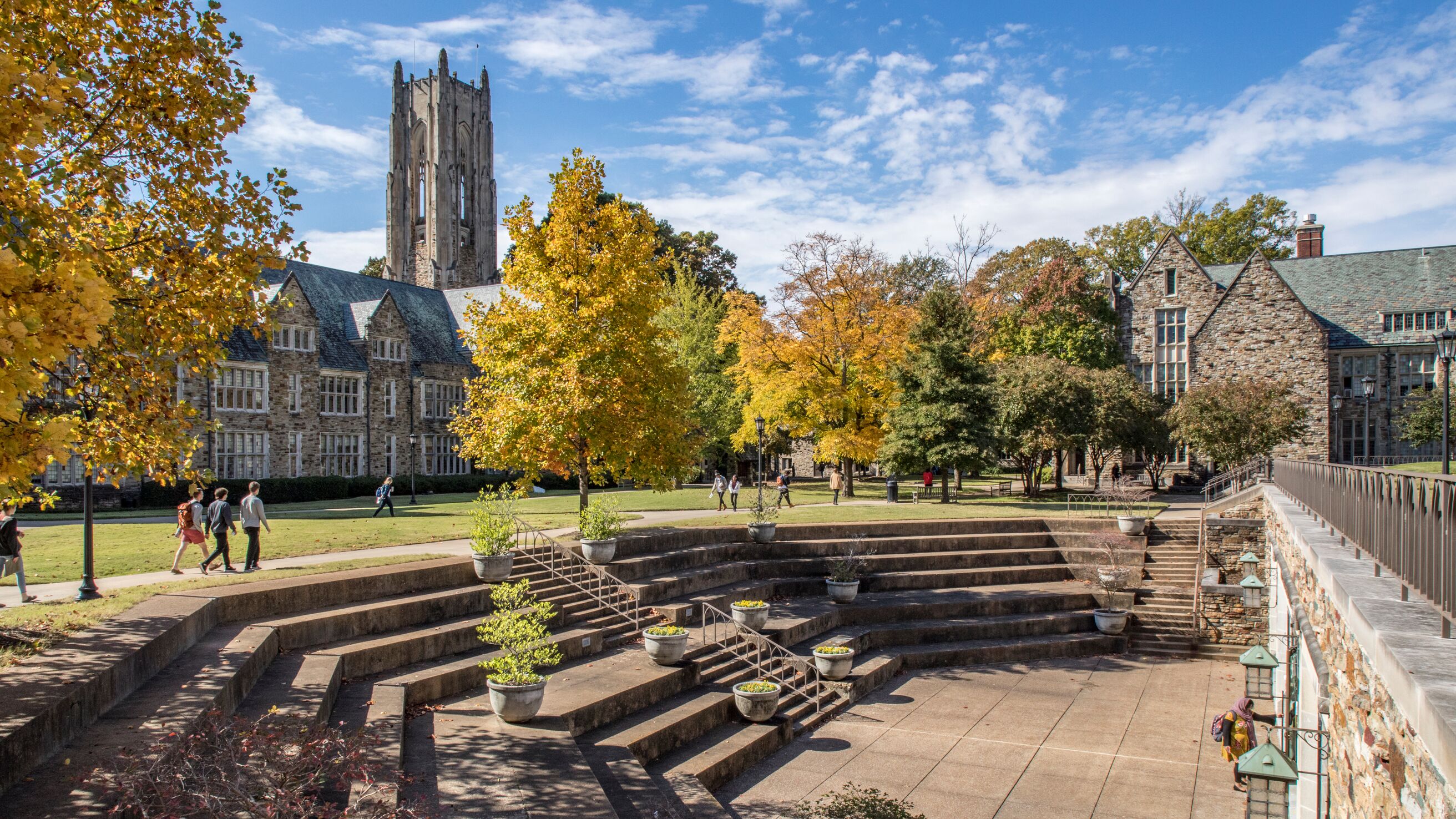
Rhodes College invites high school students to take part in the Rhodes Summer Academy, a two-week residential program offering a credit-bearing, immersive learning experience on our campus. This program—open to rising sophomores, juniors, and seniors—combines college-level coursework, co-curricular learning opportunities, and a vibrant residential experience, all in the setting of our historic architecture and nationally recognized facilities.
Courses are taught by passionate and experienced faculty members, with Summer 2027 classes set to run June 12-25. Whether you’re curious about science or medicine, interested in the fundamentals of genetics or economics, or ready to develop your skills as a writer or artist, the Rhodes Summer Academy will challenge and inspire you to think creatively and collaborate with peers who are similarly driven to grow and succeed.
Our Mission
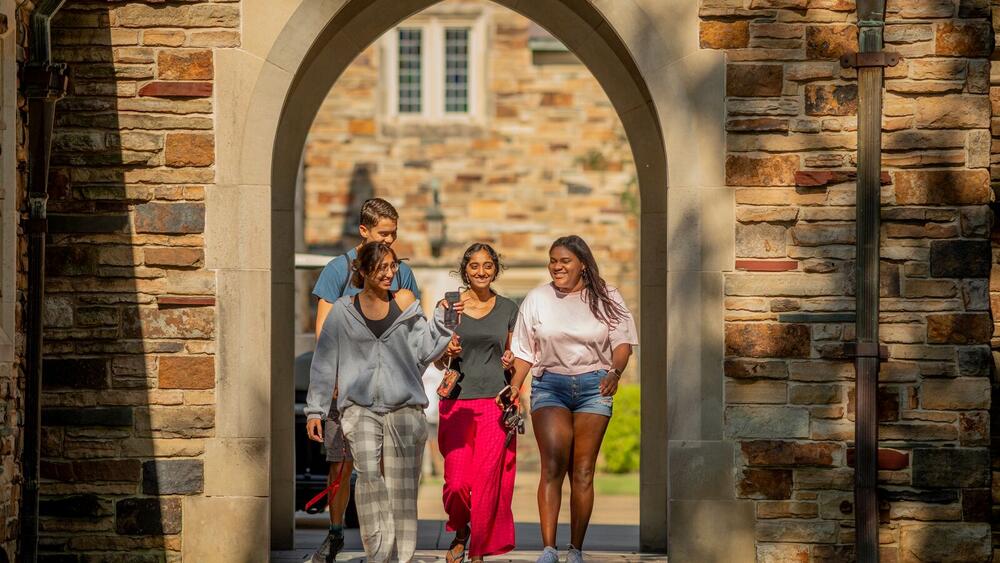
The Rhodes Summer Academy empowers high school students to explore new ideas, build essential skills, and experience the academic excellence that defines Rhodes College. By immersing students in college-level courses that are both practical and inspiring, the Academy helps young scholars develop confidence in their abilities and prepares them for their next chapter. Living on campus in a vibrant and supportive residential community, students also experience life in college residence halls, engage meaningfully with all parts of the beautiful Rhodes campus, and form lasting friendships with peers from around the world.
Why the Summer Academy?
Excellent Academic Offerings
Choose from unique, hands-on classes that blend real-world application with critical thinking and collaboration.
Small Classes, Big Ideas
Personalized instruction means you’ll be known, challenged, and supported as you take on new academic challenges.
World-Class Mentorship
Experience inspiring leadership and instruction from our world-renowned faculty, on a top-ranked campus.
A Setting Like No Other
The stunning Rhodes College campus, with its Collegiate Gothic architecture, green courtyards, and cutting-edge labs, provides the perfect backdrop for exploration and creativity.
Academic Overview
Students register for one course during the two-week program. Each course will meet daily for two sessions—one in the morning and the other in the early afternoon. Afternoons and evenings will then provide students with opportunities to attend workshops and special lectures, take advantage of the college’s world-class facilities, engage in stimulating co-curricular activities, and even receive college prep advice from knowledgeable members of the Rhodes faculty and staff.
Course Offerings 2027
College credits: 2
The Art of the Video Essay: YouTube, Rhetoric, and Digital Storytelling
How do your favorite YouTubers turn movies, video games, internet trends, and social issues into compelling stories and arguments? Explore the art of the video essay as you learn how creators use research, storytelling, visuals, and editing to share their ideas and influence audiences. Then, turn a topic you care about into your own original video essay using hands-on skills in scriptwriting, video production, and editing. No experience is needed. Just bring your curiosity, creativity, and something to say!
Chemistry in Action: Elements of Discovery
This course is designed to teach through active learning many of the foundational principals of chemistry. Each day, we will have a target set of concepts to address, and every class period will involve a mixture of lecture, discussion, and problem solving. Mornings will be spent in laying out the importance of each topic, its applications to everyday life, and the solving of problems associated with those concepts. And in the afternoons, each lab is designed to allow students to further explore the topics from the morning class through a hands-on approach. Most of the labs are designed to be inquiry-based, allowing students to arrive at their own conclusions. No previous experience in chemistry is required.
Medicine in the Ancient World
Of particular interest to those students who are curious about the growing field of medical humanities or about the health sciences and medicine more generally, this course will introduce participants to the theories and practices of ancient medicine in the West, beginning with its origins in the Near East, Egypt, and Greece and then tracing its development into Rome and beyond. Through investigation of primary source documents—both written and artistic—students will discover the beginnings of some of the most important fields of medicine, including the diagnosis and treatments of various diseases and ailments, the systematic observation and analysis of epidemics, treatments for mental health, and even early techniques within veterinary science. Special attention will also be paid to ethics and professional conduct, including oaths, the rise of specialized healing spaces—such as sanctuaries and hospitals—and controversial topics such as eugenics and infanticide.
Moving Image Art
From animated GIFs to AI slop, the moving image is the art form that defines the 21st century. It is how we see ourselves, each other, and the world. In this course you will learn to make it your own. You will look at the recent history of moving image art—from experimental films to video installations to YouTube oddities—then work with live-action video, 2D animation, and CGI. Students will work with the tools artists use: Adobe Premiere, After Effects, Photoshop, Blender, and TouchDesigner. No prior experience necessary, just curiosity and the urge to experiment. The course concludes with you creating your own short moving image artwork.
Ordinary, Extraordinary Economics
Economics is everywhere—all around us, and sometimes hidden in the most surprising and unexpected places. This course explores fundamental economic principles at work in ordinary life and shows how they provide an extraordinary set of tools for asking questions and telling stories about the world around us. No prior knowledge or experience required.
Personal Genetics
Explore how genetics connects to your life, from understanding DNA test results to discovering your family ancestry. Through interactive lessons, problem-solving, discussions, and hands-on labs, you will learn the basics of genetics and investigate how it affects the world around you. Each day, we will have a target set of concepts to address, and every class period will involve a mixture of lecture, discussion, and problem solving. Mornings will be spent in laying out the importance of each topic, its applications to everyday life, and the solving of problems associated with those concepts. In the afternoons, each lab is designed to allow students to explore further the topics from the morning class through a hands-on approach. No prior biology or genetics experience is needed!
Program Details

Who Can Apply: High school students who will be entering grades 10 through 12 (or their international equivalents) in Fall 2026
Duration: June 12 through July 2, 2026 (Students are required to remain on campus for the entire duration.)
Location: Rhodes College’s historic and modern academic spaces
Credits: Two college credits upon successful completion of a course
Tuition: $3200 (which will include room and board; financial aid will be available)
Early Registration Price: $200 application discount for students who register by March 15.
Registration Deadline: Submit your $300 deposit by April 15 to secure your place after admission.
Participants in the Rhodes Summer Academy are required to provide proof of health insurance along with other health information. In general, Rhodes College does not provide the means to purchase insurance through the College itself; however, our staff may be able to assist international participants navigate any extra complications that occur because of their studying abroad.
Why Rhodes?
Self-Directed Learning: You’ll be expected to manage your schedule, engage in discussions, and collaborate on projects—just like a college student.
Immersive Academic Spaces: Classes are held in the celebrated academic halls of Rhodes College, where ideas come to life through discussion and discovery.
A Connected Community: In addition to learning, you’ll take part in campus tours, faculty-led Q&As, and group meet-ups that foster a true sense of belonging.
A Reputation for Excellence: Rhodes College is known for its nationally recognized liberal arts curriculum and dedication to student success. When you study here, you become part of a tradition of inquiry, innovation, and leadership.
An Inspiring Campus: Our campus blends timeless architecture with cutting-edge spaces, creating an environment that inspires bold thinking and lifelong learning.

Frequently Asked Questions
How do the “college credits” work?
Students who successfully complete the program will be granted two credits by Rhodes College that are transferable according to the policies of the receiving institution. To transfer these credits to other institutions, students must contact the Rhodes Registrar and request that their transcript be forwarded.
Will I have access to campus facilities?
Yes, students will have full access to Rhodes' facilities, including libraries, labs, and recreational areas.
Will this program help with college applications?
Yes, participating in the Rhodes Summer Academy can enhance your college application by demonstrating your commitment to academic excellence and your willingness to take on challenging coursework. You will also gain new skills, lasting connections, and a deeper understanding of your capabilities.
Will I be in classes with college students?
No. You will have students in grades 10 through 12 in your classes.
What does the schedule for the day of activities look like for one of the courses?
The schedule below is representative, although individual course schedules may vary according to the needs of the particular course. In observance of Juneteenth, there will be no classes on June 19. There will be no classes on the weekend, either.
| 8:00–9:00 | Breakfast |
| 9:00–10:00 | Course Instruction |
| 10:00–10:15 | Break |
| 10:15–11:15 | Course Instruction |
| 11:15–1:00 | Lunch/Break |
| 1:00–2:00 | Labs/Workshops/Discussions |
| 2:00–2:15 | Break |
| 2:15–3:15 | Labs/Workshops/Discussions |
| 3:15–4:00 | Free Time |
Can I take more than one course?
Students are allowed to take only one course per summer, but eligible students may take additional courses in future years.
How heavy is the academic workload?
The Summer Academy is aimed at providing participants with a true college experience, and our courses are meant to engage and challenge you in ways you would experience in any undergraduate course at Rhodes. Every faculty member has slightly different expectations about work outside of class depending on their particular subject, but students will have ample time to complete any homework at their own individual pace.
Will I have exams during the program?
In general, courses within the Academy do not require large exams; however, in some classes there will be smaller quizzes along with the other assignments and projects to provide you with the most meaningful academic experience possible.
When should I arrive on campus and then depart at the beginning and end of the Academy?
Students will move into the residence halls on the afternoon of June 21 and move out on the afternoon of July 2. Further details about the residential experience will be provided upon acceptance into the Academy.
Can my family visit me during the Academy?
No. Because the program is highly scheduled and lasts just 12 days, students will not have extra time for visitors. Because the Academy promotes a tight community among its participants, visitors do not fit easily into the program culture and also become sources of inequity among the participants.
Make This Summer Count
The Rhodes Summer Academy is more than a chance to build your resume—it’s a chance to broaden your world. You’ll walk away with new skills, lasting connections, and a deeper understanding of what you are capable of achieving.
Come spend two weeks with us and discover what makes Rhodes College a place where bold ideas thrive.