

The Post-Baccalaureate Certificate in Bioethics and Health Humanities offers an opportunity to explore the lived experiences of patients and to study the ethical questions around patient care. Over one academic year, you will explore the history, culture, and values that shape healthcare, and examine how patients and providers make difficult decisions. You will develop skills in ethical reasoning, communication, and understanding diverse perspectives, while gaining practical experience alongside healthcare professionals and ethics consultants in Memphis.
| Duration | One academic year |
| Each semester | Two 4-credit courses and a 2-credit practicum |
| Areas of focus | Bioethics or Health Humanities |
| Clinical experience | Shadowing, ethics consultant training, and ethics committee observation with Methodist Le Bonheur Healthcare |
| Format | In person |
| Start | Fall 2027 |
| Deadlines | Early application: January 15; Final deadline: _____ |
| Cost | $20,000 Financial aid available |
Who is this for?
The certificate is designed for students preparing for careers in healthcare as well as professionals already working in the field.
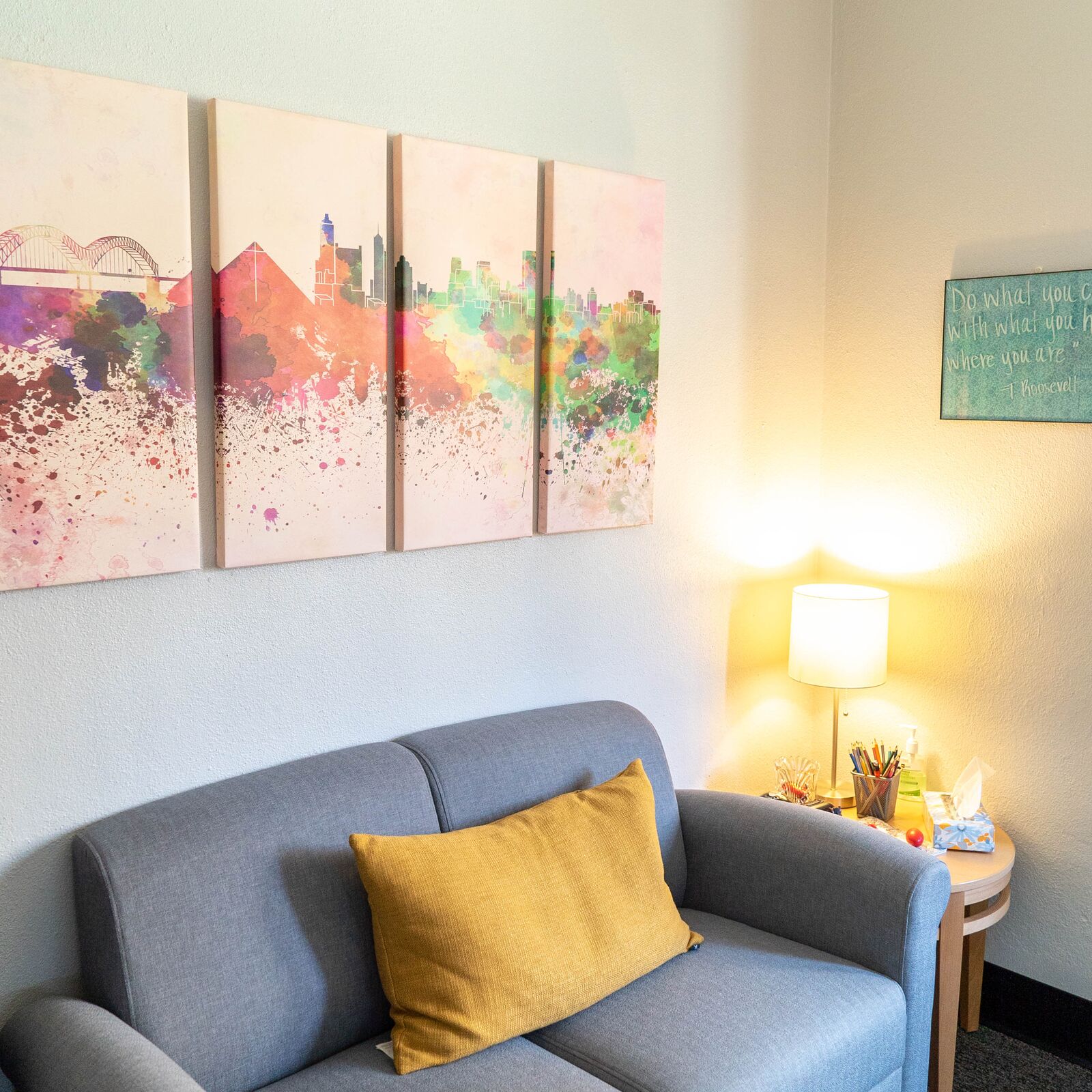
Graduates preparing for graduate health programs
If you are taking a growth year before medical, dental, nursing, physician associate, physical therapy, or another health professions program, this certificate gives you an opportunity to complete graduate-level course work, gain experience in clinical settings, and develop a better understanding of the ethical and human questions that are part of healthcare practice.
The certificate includes practicum experience to draw on when writing applications, preparing for interviews, and discussing why you want to enter a health profession.
Physicians in the Methodist Le Bonheur Healthcare system serve as faculty in the certificate. Rhodes faculty serve on Methodist Le Bonheur Healthcare's system ethics committee and as faculty-in-residence at the Center for Bioethics. This relationship gives students opportunities to engage with ethical and humanistic questions in actual clinical settings.
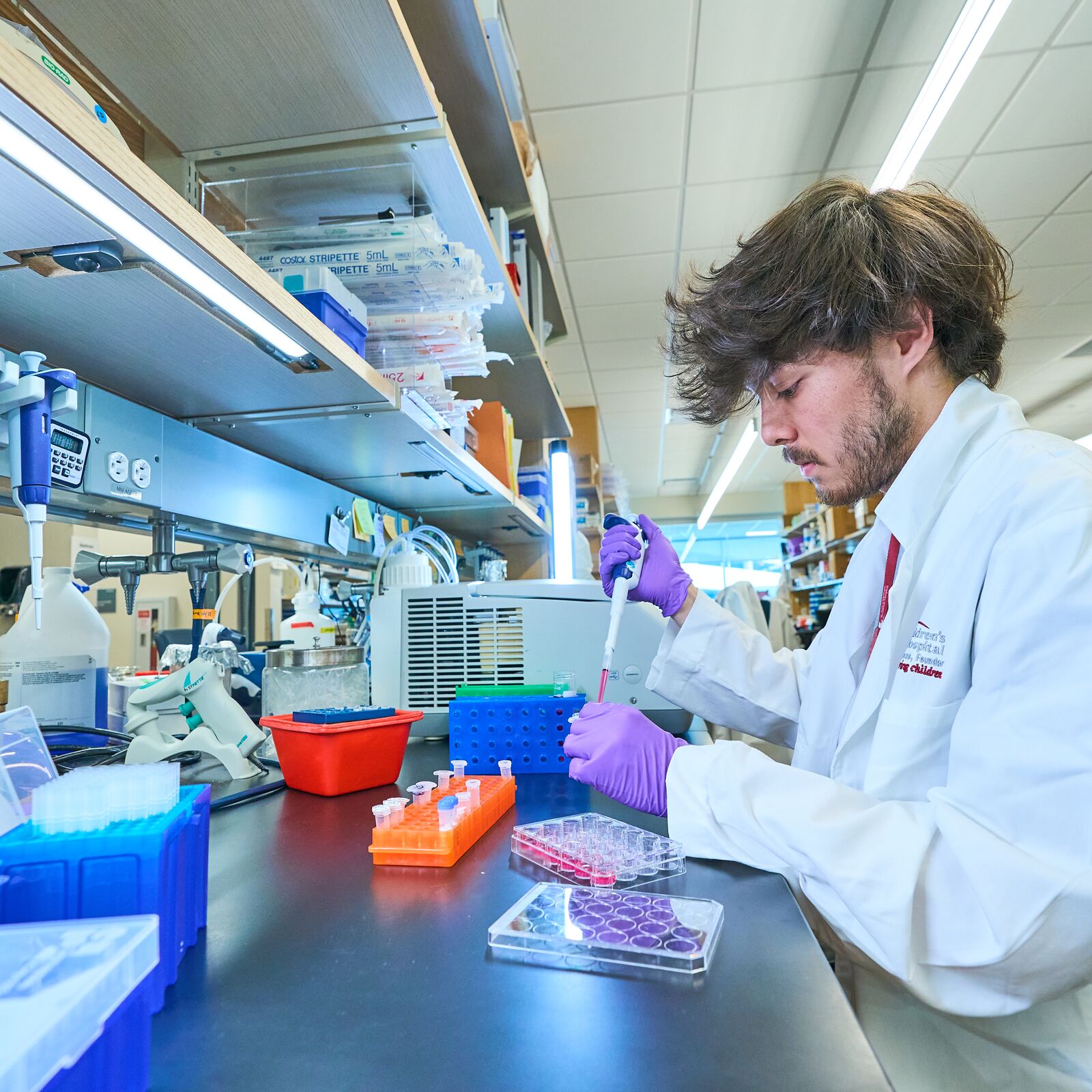
Practicing healthcare professionals
For practicing healthcare professionals, this program offers the opportunity to strengthen capacities for ethical reasoning and understanding patient experiences. You’ll deepen your capacity for thinking about illness, care, and the responsibilities of healthcare providers while learning to approach complex questions with curiosity, critical insight, and compassion.
ASBH information
The American Society for Health Humanities and Bioethics administers an exam to certify healthcare ethics consultants. Certificate coursework can prepare students for the exam, while practicum experiences may count toward the 400 hours of consulting experience that are prerequisite to taking the exam.
Areas of study

Bioethics
When conflict arises in clinical settings, bioethics gives us tools and frameworks for asking good questions so that we can arrive at common understandings. Certificate students take courses such as Healthcare Ethics and Social Inequality, Medical Ethics, Pediatric Bioethics, Clinical Issues in Bioethics, and Public Health Ethics. These courses draw ethical theory and case studies and invite students into critical discussions about how to identify relevant ethics questions, navigate friction between parties in a conflict, and offer insight that can lead to resolution.

Health Humanities
People have many ways of telling stories about their health, but traditional healthcare places physicians at the center of the story. Health humanities is about re-centering the patient as the narrator of their own story by developing skills for attentive listening, cultural humility, and compassionate care-giving. Certificate students take courses such as Narrative Medicine; Disability Histories; Gender and Sexuality in Healthcare; Pain, Suffering and Death; Race-Thinking and Health Disparities; and Intercultural Communication. These interdisciplinary courses help students understand human experiences of health through discussion, literary and visual analysis, creative expression, and theoretical engagement.